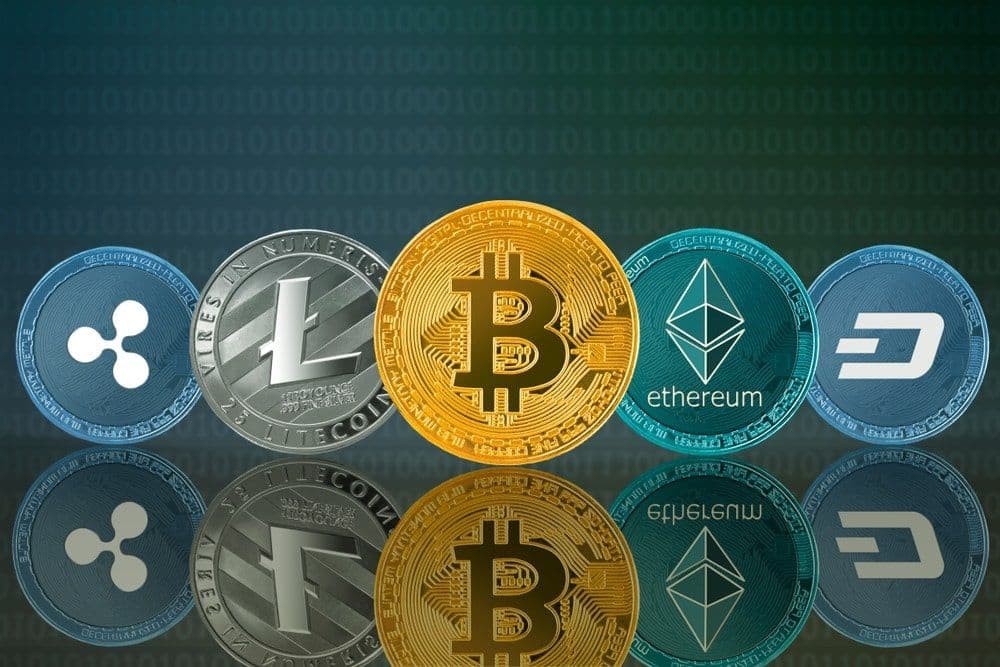
Honestly, before working at Coinbase this past summer I was not super into the crypto space. But this summer, I jumped into the entire environment, meeting friends and coworkers who have been in this space for a while. I went to blockchain events, hackathons, and just a bunch of things that taught me a lot about bitcoin, crypto, and the broader ecosystem.
Let's start where bitcoin itself started, Satoshi Nakamoto's white paper. I first read it while preparing for my interviews with Coinbase, and I was surprised by how elegant the solution of a decentralized yet secure currency is. The white paper is only nine pages long, but it lays out a system that could change how the world thinks about money.
What makes bitcoin so interesting to me is the underlying technology. At its core, the blockchain is a distributed ledger that anyone can verify but no one can control. That combination of transparency and decentralization allows for solutions that were not possible before. One area where this shines is cross-border payments. Sending money across countries is still expensive and slow with banks, but with crypto it can be close to instant.
This is where stablecoins come into play. They take the volatility of bitcoin and other cryptocurrencies out of the picture by pegging the value to something like the US dollar. That makes them incredibly useful for remittances, which I actually did a research paper on when I was studying abroad in Dublin for my international macroeconomics class.
One funny example from my own life this summer is that my Canadian roommate paid me rent in USDC because he had a limit on how much USD cash he could withdraw. That single transaction showed me how crypto can create real-world utility. It also gave me a glimpse of what financial freedom could look like. Imagine a society where access to money is free and borderless, where anyone can participate in the global economy no matter where they are from. That vision lines up pretty well with Coinbase's mission.
Something else I find fascinating is the idea of tokenized stocks on the blockchain. Imagine being able to trade shares of Apple or Tesla twenty-four hours a day, seven days a week, with transactions clearing instantly on the blockchain. That could fundamentally reshape how people invest.
Now, with all of that said, there are still some real problems with crypto as it exists today. A lot of the technology is too technical and intimidating. Gas fees, bridging, staking, wallets—these are terms that most people do not want to learn. Ideally, all of this should be abstracted away. Think about how people use Venmo today. They do not need to understand ACH transfers or bank settlement systems. Imagine an international version of Venmo that is powered by crypto and stablecoins, but where the user never has to know it is crypto under the hood. That is the kind of product that could make mass adoption possible.
Right now crypto feels like it has two competing sides: the investment side and the currency side. The investment side has taken off, but the currency side has lagged. Personally, I would love to see the currency side get more attention, because that is where I think the most transformative change could happen.
Crypto also has a stigma to overcome. A lot of people see it as risky, scam-filled, or only for speculators. For adoption to grow, the space has to build trust. That means better regulation, consumer protection, and legislation. The recently passed GENIUS Act is a step in that direction, helping to create guardrails while also giving the industry some legitimacy in the eyes of the public.
Overall, this summer made me much more optimistic about what crypto can be, but also more realistic about the challenges ahead. The technology is powerful, but it needs to become invisible to the user. If that happens, then maybe the vision of global financial freedom has a chance of becoming real.